


Last Updated: November 13, 2026
Quick Summary
Alternatives to legacy turnout gear for 2026 compliance center on NFPA 1970 certification, layer-by-layer material disclosure, and reduced-PFAS moisture barriers. Compare every bid on the same attributes, including total ensemble weight, thermal protective performance, breathability, and service life. Document which requirements are enacted versus proposed before you sign a purchase order.
- NFPA 1970 consolidates former standards into one reference covering structural firefighting ensembles.
- Ask vendors to name the outer shell, thermal liner, and moisture barrier separately in writing.
- PFAS-free claims vary in scope, so confirm which components were tested.
- Inspect gear after every use and run formal advanced inspections on a set schedule.
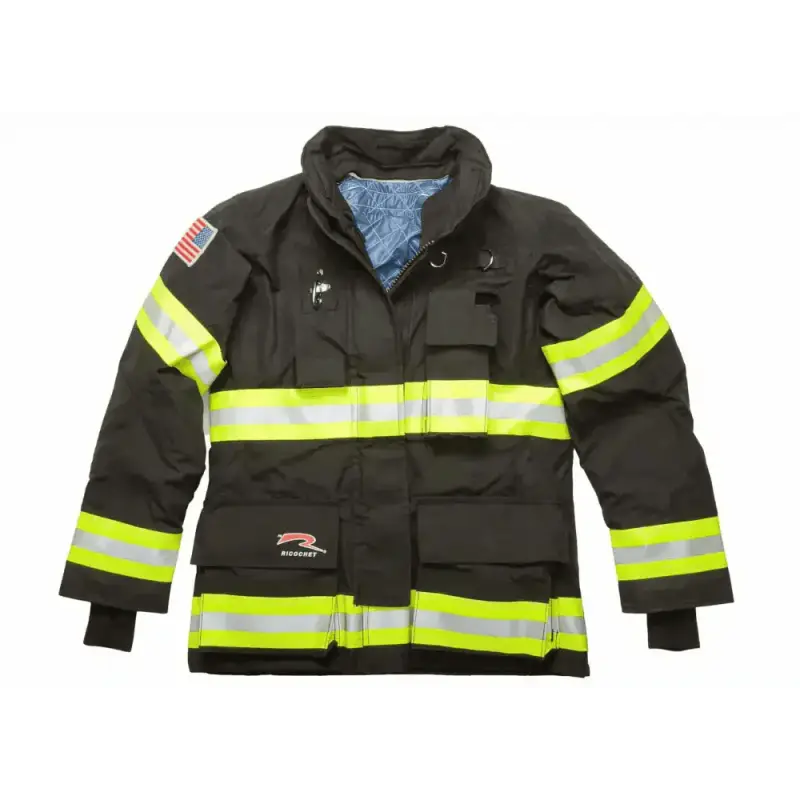
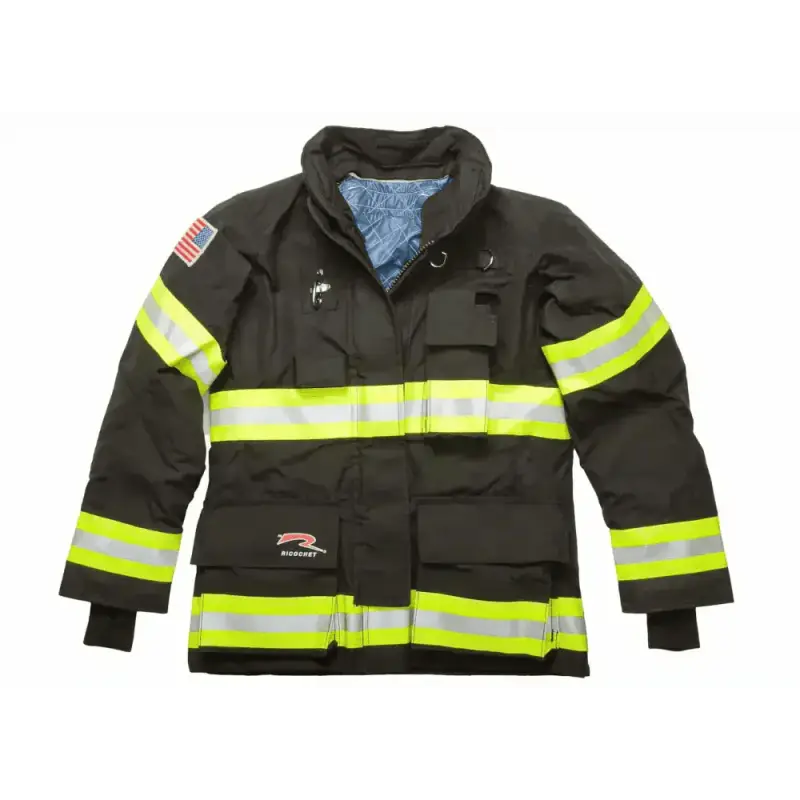
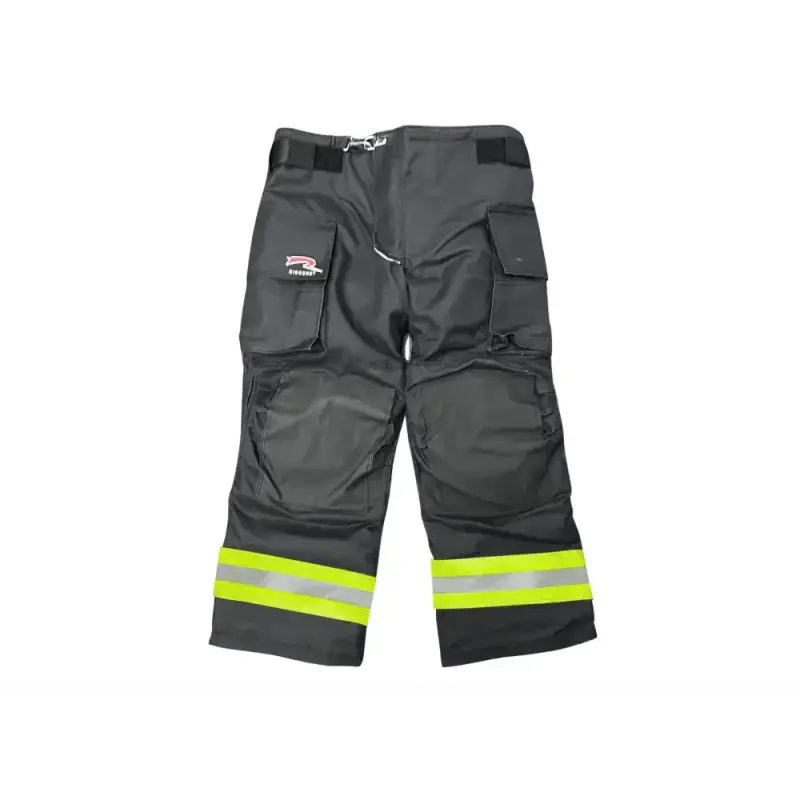
- The Prime Fire Gear Jacket & Pants Set is priced at $3,964.20.
Table of Contents
- Why Legacy Turnout Gear Is Under Pressure in 2026
- NFPA 1970 Turnout Gear Requirements: What Changed
- Turnout Gear Materials Comparison: Legacy vs. Alternatives
- PFAS-Free and Reduced-PFAS Gear: What the Evidence Shows
- Turnout Gear Inspection and Maintenance in the PFAS Era
- Turnout Gear Replacement Guidelines and Transition Planning
- A 2026 Compliance Checklist for Gear Procurement
- Comparing Replacement Options at Chief Miller Apparel
- Frequently Asked Questions
Why Legacy Turnout Gear Is Under Pressure in 2026
The biggest shift in firefighter PPE isn't a new fabric or a lighter shell. It's the paperwork, the chemistry, and the growing demand that the gear protecting you doesn't quietly expose you to something else.
Questions from chiefs and firefighters about what "compliant" actually means this year come up often. If your department is weighing a gear replacement, our guide on how to buy firefighter turnout gear online walks through sizing and choosing a retailer you can trust.
Here's the tension most buying guides skip. Legacy gear earned its reputation on fireground performance, and it still performs. What changed is the scrutiny around what's inside the materials and how long you can responsibly keep them in service.
NFPA 1970 Turnout Gear Requirements: What Changed
NFPA 1970 turnout gear requirements consolidate what used to be split across several documents into a single standard covering structural firefighting ensembles (NFPA 1971 Standard Development). That consolidation is the headline.
What does that change for a department? Mostly three things:
- Clearer certification expectations for the full ensemble, not just individual pieces
- More consistent labeling and documentation you can hand to an inspector or a grant reviewer
- A single reference point when you compare bids from different manufacturers
The practical effect is that a vendor who can't produce clean, current certification paperwork is a liability. Ask for it in writing before you sign a purchase order. A common mistake is accepting a verbal "yes, it's compliant" instead of a certificate number tied to the standard year.
Turnout Gear Materials Comparison: Legacy vs. Alternatives
A turnout gear materials comparison comes down to three layers working together: the outer shell, the thermal liner, and the moisture barrier. Legacy ensembles paired proven aramid shells with established barriers. Alternatives now push on weight, breathability, and reduced PFAS content, but each trade-off matters. The unique angle here is a structured, specification-first comparison rather than a marketing summary: compare the same attributes across every bid so legacy and alternative gear are judged on identical terms.
| Attribute | Legacy Approach | Alternative Approach | What to Verify in Writing |
|---|---|---|---|
| Outer shell | Heavier aramid blends | Lighter aramid blends | Fabric name, weight per square yard, and abrasion test results |
| Thermal liner | Established aramid felt | Newer low-weight liners | Thermal protective performance (TPP) rating and thickness |
| Moisture barrier | Standard PTFE-based | PFAS-reduced barrier options | Barrier material name and which components were tested for PFAS |
| Ensemble weight | Higher total weight | Lower total weight | Total ensemble weight by size, not just shell weight |
| Breathability | Lower vapor transmission | Higher vapor transmission | Evaporative resistance or breathability data from the manufacturer |
| Durability and service life | Long field history | Thinner long-term data | Expected service life and warranty terms |
| Care and inspection | Established cleaning routines | May require updated procedures | Manufacturer cleaning and inspection instructions |
Outer Shell, Thermal Liner, and Moisture Barrier Options
The outer shell takes the abrasion and the radiant heat. Lighter shells improve mobility but can wear faster at cuffs, knees, and shoulders. The thermal liner is where heat stress gets managed, and the moisture barrier is where PFAS questions concentrate, because many traditional barriers rely on fluoropolymer chemistry.
When you evaluate options, ask each vendor to break out the three layers separately. A bid that only names the shell is hiding the parts that drive both comfort and compliance. A common pattern is for a vendor to quote a shell fabric by brand name while leaving the liner and barrier unspecified; require all three by name and ask for the certification language tied to the current standard edition.
Weighing Protective Performance Against Heat Stress
Heavier gear protects, but it also traps heat, and heat stress is a real fireground hazard. The goal isn't the lightest gear or the heaviest. It's the best thermal protection you can get at a weight your crew can work in for a full shift.
A practical way to compare is to request the same data points from every vendor: total ensemble weight by size, thermal protective performance rating, breathability data, and the barrier material name. That same balance between protection and heat management matters in lighter-duty workwear too, where The Goods ND connects breathability with the demands of outdoor crews working in hot conditions.
Service Life and Care as Comparison Criteria
Durability and care belong in the comparison, not in a footnote. Legacy materials have long field histories, which makes their wear patterns predictable. Some reduced-PFAS barriers are newer to the field, so long-term durability data is thinner. That doesn't disqualify them, but it changes how you compare: ask for expected service life, warranty terms, and cleaning instructions for each option, then factor inspection frequency into the decision.
PFAS-Free and Reduced-PFAS Gear: What the Evidence Shows
PFAS-free turnout gear is protective clothing manufactured without per- and polyfluoroalkyl substances in its moisture barrier and treatments. The evidence base is still developing, and honest vendors say so.
Watch out: "PFAS-free" claims vary in scope. Some cover only the moisture barrier, others the whole ensemble. Ask which components were tested and get it in writing. The Agency for Toxic Substances and Disease Registry PFAS overview explains why these chemicals draw scrutiny.
Distinguishing Enacted Requirements from Proposals
A common pattern in 2026 procurement is confusion between what is required and what is proposed. Before you write a specification, separate the two:
- Enacted requirements: standards your vendor must certify against, and any jurisdiction-specific PFAS restrictions that have taken effect. Confirm the current edition and effective date directly with the standard body and your state or local authority.
- Proposals and pending rules: draft legislation, proposed restrictions, and voluntary industry commitments. These inform planning but should not be written into a purchase order as if they were law.
- Department policy: internal decisions to prefer reduced-PFAS gear, which can be stricter than the law and should be documented as policy rather than compliance.
Document which category each requirement falls into, with the source and date. That record protects the department during audits, grant reviews, and later questions about why a purchase was made.
Scoping and Verifying PFAS Claims
Ask vendors to answer the same questions in writing so claims can be compared:
- Which components were tested: moisture barrier, outer shell, thermal liner, trim, or the full ensemble?
- What test method was used, and what does the result actually show?
- Is the claim "PFAS-free" or "reduced-PFAS," and what is the difference in this product?
A transparent vendor will answer these without hedging. A vendor that answers only with marketing language is telling you something about the evidence behind the claim.
Trade-Offs and Evidence Quality
The trade-off is real: some reduced-PFAS barriers are newer to the field, so long-term durability data is thinner than for legacy materials. That doesn't make them wrong. It means your inspection schedule matters more, and it means you should weigh test methods and certifications rather than broad claims. Where evidence is limited, say so in your procurement record and set a review date.
Turnout Gear Inspection and Maintenance in the PFAS Era
Turnout gear inspection and maintenance now includes documenting condition and contamination, not just spotting tears. Inspect after every use and run a formal advanced inspection on a set schedule.
Cleaning matters more than most crews admit. For gloves, our Majestic M7G uses a kangaroo leather palm and Porelle moisture barrier, and its listing states it stays flexible wet or dry.
Turnout Gear Replacement Guidelines and Transition Planning
Turnout gear replacement guidelines center on age, condition, and exposure history. Many departments retire gear on a set cycle and pull any piece early after heavy contamination or damage. Build your transition in phases so you're never caught short.
- Audit every set: age, condition, inspection records
- Prioritize the worst gear first, not the oldest by default
- Budget across fiscal years instead of one lump purchase
- Store and transport new gear properly with dedicated turnout gear bags and first responder packs
A phased plan also spreads cost, which matters for smaller departments.
A 2026 Compliance Checklist for Gear Procurement
Compliance in 2026 is a documentation exercise as much as a materials one. Use this checklist before any purchase order:
- Vendor certifies to the current NFPA 1970 edition, with certificate numbers
- Layer-by-layer material breakdown provided in writing
- PFAS content disclosed and scoped to specific components
- Sizing and fit confirmed for every member, including women's fits
Many departments are consolidating vendors to simplify this paperwork. Our overview of why departments switch to Chief Miller Apparel covers how faster orders and simpler buying reduce that burden.
Comparing Replacement Options at Chief Miller Apparel
Our top pick for departments replacing legacy gear is the Prime Fire Gear Jacket & Pants Set at $3,964.20. If you only need one piece, the Prime jacket runs $2,406.00 and the Prime pants run $1,558.20.
For hands, the Vanguard MK-2 Long-Cuff gloves at $158.00 are listed with five layers of 100% Kevlar / para-aramid knit for thermal, cut and puncture resistance. Explore the full fire equipment and protective gear lineup, and see why crews trust gear worthy of the first due engine.
Best for: departments standardizing on one certified vendor. Skip if: you only need a single replacement glove pair.
Replacing legacy turnout gear for 2026 compliance is a decision you can't afford to get wrong, and it shouldn't be made alone.
Frequently Asked Questions
What are the alternatives to traditional turnout gear?
The main alternatives fall into three groups: reduced-PFAS or PFAS-free outer shells and moisture barriers, lighter-weight shell and liner combinations that trade some durability for breathability, and modular layering systems that let you match protection to the call. Each option changes the balance of thermal protection, heat stress, and service life. Before you buy, confirm the gear carries current NFPA certification and ask the manufacturer for the specific shell, barrier, and liner construction so you can compare it against your current turnout gear.
What standards should turnout gear meet in 2026?
Structural firefighting ensembles are certified to NFPA 1970, which consolidated the older 1971 and 1975 documents. Look for a current-edition certification from a recognized testing body, and check the label inside the garment rather than the marketing page. Requirements cover thermal protection, moisture and viral penetration, reflective trim, and minimum performance thresholds. Departments should also confirm that replacement gear meets the edition in force at the time of purchase, since older certifications may not reflect the latest requirements.
When should a fire department replace legacy turnout gear?
Replacement decisions should follow manufacturer service-life guidance, documented inspection results, and the age of the garment, not a single fixed calendar date. Advance inspection and retirement timelines before the gear reaches the end of its stated service life, and retire any element showing contamination, delamination, or failed barrier testing. Build the replacement schedule into your budget cycle so you are not buying a full complement of turnout gear in one year under pressure.
Can turnout gear be repaired or recertified instead of replaced?
Some repairs are allowed, but they must follow the manufacturer's instructions and the applicable standard. Barrier and thermal liner damage usually means retirement rather than repair, because a compromised moisture barrier cannot be reliably restored in the field. Cleaning and inspection extend service life when done correctly, but they do not reset the clock on a garment that has reached its retirement age. Get written guidance from the manufacturer before assuming a piece of gear can be returned to service.
How can departments verify that turnout gear meets NFPA requirements?
Check the certification label sewn into the garment, confirm the edition of the standard it was certified to, and ask the supplier for the third-party test documentation. Verify the testing body is recognized and that the certificate matches the model and construction you are buying. For department purchases, keep the certification paperwork with your procurement records so it can be produced during an inspection or audit. Marketing claims about compliance are not a substitute for the label and the certificate.
Prices of Prime Fire Gear replacement options


