


Meta Description
Explore the best firefighter helmets of 2026, focusing on cutting-edge technology, safety features, and comfort for first responders.
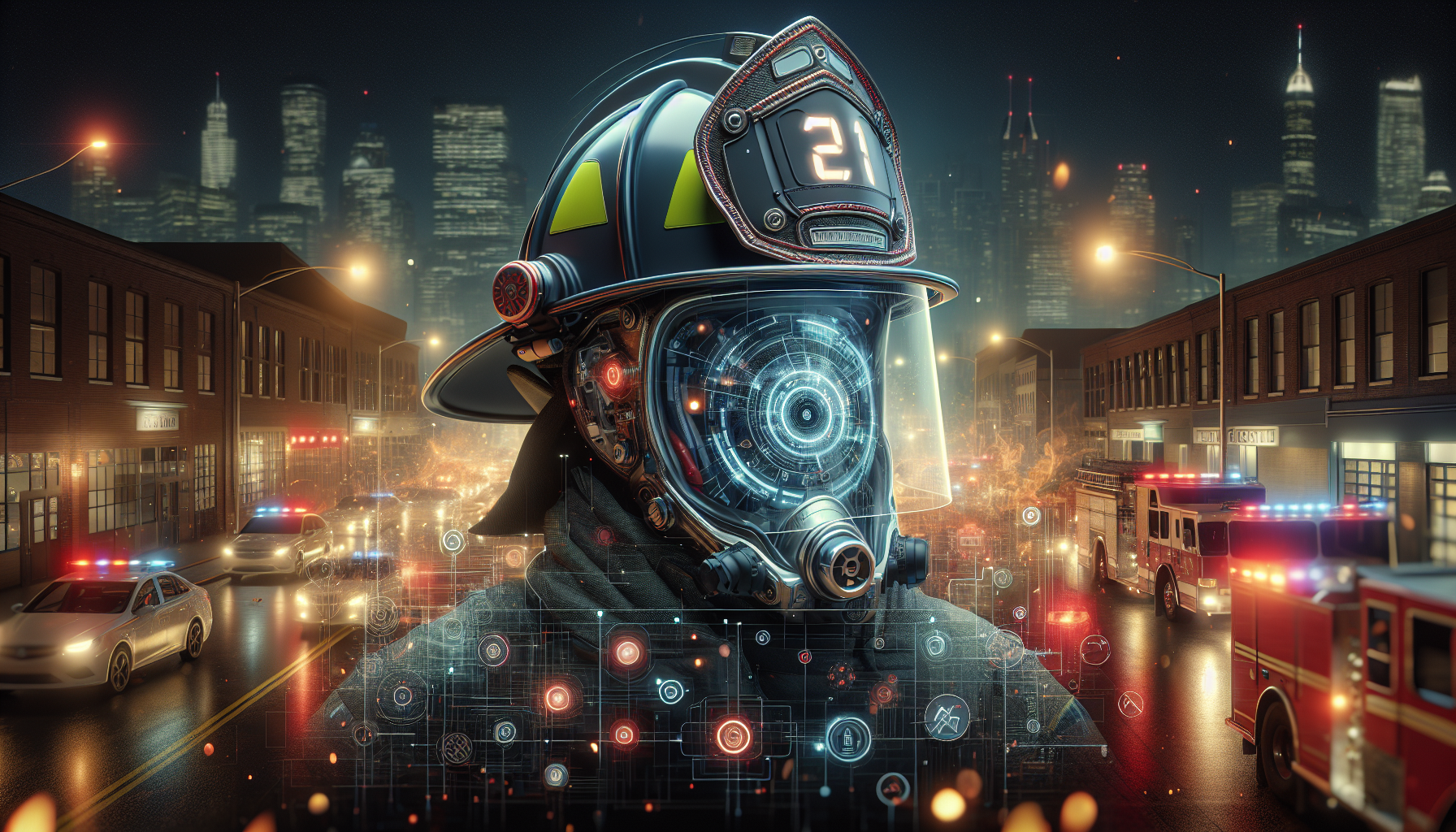
Firefighter Helmets for 2026
In the world of firefighting, safety and efficiency are paramount. As we approach 2026, firefighter helmets are undergoing a technological revolution that promises to enhance both these aspects significantly. The latest advancements in helmet technology are not merely about protection but are integrated with features that cater to the dynamic needs of modern firefighting. From thermal imaging capabilities to AI-driven health monitoring, these helmets are designed to offer superior safety and operational efficiency. This guide delves into the innovations shaping the best firefighter helmets for 2026, offering insights into the features that make them indispensable for today's first responders. Whether you're a seasoned firefighter or new to the field, understanding these advancements is crucial for ensuring safety and performance in high-risk environments. Explore the latest in helmet technology and discover why investing in these state-of-the-art helmets is a decision that could make all the difference in critical situations.
Introduction to 2026's Firefighter Helmet Innovations
Firefighter helmets have undergone a significant transformation over the past decade, evolving from basic head protection into technologically advanced, multi-functional gear. The push towards innovation has been fueled by the increasing demand for enhanced safety and performance in high-risk environments. As we approach 2026, these advancements culminate in designs that integrate cutting-edge materials and digital technologies to offer unprecedented levels of protection and communication efficiency.
The importance of safety in firefighting gear cannot be overstated. Modern helmets are now expected to do more than just shield against impact; they need to protect against heat and smoke, offer clear communication capabilities, and ensure comfort during prolonged use. The integration of sensors that monitor environmental conditions and vital signs is becoming more prevalent, providing firefighters with real-time data critical for decision-making in life-threatening situations.
Key players in the helmet manufacturing industry, such as Pacific, Bullard, and Cairns, are leading the charge in these innovations. These companies have consistently pushed the boundaries of helmet design, incorporating features such as augmented reality (AR) visors and enhanced voice communication systems. Their focus on research and development ensures that firefighter helmets remain at the forefront of safety technology.
As 2026 unfolds, expect to see helmets that not only meet but exceed current safety standards, setting new benchmarks for the industry. For first responders prioritizing excellence in protective equipment, exploring these innovations is essential. Be ready to equip yourself with the best—Order Now and embrace the future of firefighter safety.
Cutting-Edge Safety Features in 2026 Helmets
The latest firefighter helmets for 2026 are not just about protection but are packed with cutting-edge features that redefine safety in the field. One of the standout innovations is the integration of thermal imaging capabilities directly into helmet visors. This technology allows firefighters to see through smoke and identify hotspots, making it easier to navigate dangerous environments. With thermal imaging, firefighters can assess situations more accurately, improving both safety and efficiency during operations.
Another remarkable advancement is the enhanced impact resistance offered by new material composites. These composites, often a mix of advanced polymers and fibers, provide a lighter yet stronger helmet. This dual benefit means increased protection from falling debris or structural collapses without sacrificing mobility. The thoughtful balance of weight and durability is crucial for firefighters who wear these helmets for extended periods.
Moreover, the role of AI in monitoring firefighter health metrics marks a significant leap forward. Modern helmets are being equipped with sensors that track vital signs such as heart rate, temperature, and oxygen levels. This data can be transmitted in real-time to incident commanders, allowing for quick decisions if a firefighter's health is at risk. This proactive approach helps prevent exhaustion and heat-related illnesses, enhancing overall crew safety.
These features not only represent advances in technology but also reflect a deeper understanding of the challenges firefighters face. By prioritizing visibility, protection, and health monitoring, the latest helmets are an embodiment of innovation meeting the real-world needs of first responders. At Chief Miller Apparel, we are committed to providing gear that incorporates these groundbreaking features. Order Now to ensure your team is equipped with the best in 2026 helmet technology.
Comfort and Usability: A Firefighter's Perspective
When it comes to firefighter helmets, comfort is crucial. A helmet that feels like a brick on your head can quickly become a liability in the field. Feedback from seasoned firefighters consistently highlights the importance of a helmet's weight and balance. Light helmets are not just a luxury; they're a necessity. A well-balanced helmet reduces neck strain, which can be a significant issue during long operations.
Firefighters also appreciate helmets with superior adjustability features. Helmets that include adjustable suspension systems allow for a customized fit for various head sizes, ensuring that the helmet stays secure during intense activities. Features like ratchet adjustment systems are particularly favored for their ease of use, even with gloved hands.
Moreover, helmet ventilation is a game-changer. Proper ventilation systems help in reducing heat retention, thus minimizing fatigue and enhancing performance. Some of the best firefighter helmets for 2026 integrate advanced airflow technology that keeps the head cool without compromising on safety standards. This aspect is especially appreciated during summer months or in prolonged firefighting operations.
Each of these features—weight balance, adjustability, and ventilation—play a pivotal role in the overall performance of the helmet. They ensure that firefighters not only stay safe but also operate effectively. For those seeking top-tier comfort and usability in their gear, considering these elements is non-negotiable. Order Now to experience the difference firsthand.
Material Advancements: The Backbone of Helmet Innovation
In the realm of firefighting equipment, the materials used in helmet construction are critical to performance and safety. The latest advancements pivot around the integration of graphene and advanced polymers, which are reshaping durability standards. Graphene, known for its incredible strength and light weight, is being incorporated into helmet designs to provide unmatched resilience against impacts. This material's ability to distribute force evenly reduces the risk of head injuries in high-impact scenarios faced by firefighters.
Equally important are the fire-resistant properties of these helmets. Modern helmets are crafted from advanced polymers that not only withstand extreme heat but also maintain a lightweight profile. This combination is crucial for reducing fatigue during prolonged use, a common challenge in firefighting operations. These polymers offer a balance between necessary protection and the comfort needed for extended wear.
Sustainability in material selection is also gaining traction within the industry. Manufacturers are increasingly turning to eco-friendly materials that do not compromise on performance. For instance, recycled polymers are being used to create helmets that meet rigorous safety standards while reducing environmental impact. This shift reflects a broader industry trend towards sustainable manufacturing practices.
As these innovations continue to evolve, Chief Miller Apparel remains committed to providing first responders with the best in class equipment. For professionals seeking cutting-edge gear that enhances safety and performance, exploring our latest selection of firefighter helmets is essential. Order Now to equip yourself with the latest advancements in helmet technology.
Real-World Testing: How Helmets Perform Under Pressure
When it comes to firefighter helmets, there's no substitute for real-world testing. Various firefighting units across the country have put these helmets through their paces, providing invaluable insights into their performance under extreme conditions. These field tests are crucial for determining which helmets can truly withstand the harsh environments firefighters face every day.
Field Tests Conducted by Firefighting Units
Fire departments from Los Angeles to New York have been actively involved in testing the latest helmet models. These units have subjected helmets to high-intensity heat scenarios, prolonged smoke exposure, and even impact simulations to mimic falling debris. The real magic happens when these helmets are worn during actual firefighting operations, where they face unpredictable challenges. Feedback from these tests often highlights strengths and areas needing improvement, which are crucial for manufacturers aiming for innovation.
Comparative Analysis of Helmet Performance
In the realm of firefighting, not all helmets are created equal. Real-world testing allows for a comparative analysis of how different helmets perform under similar, extreme conditions. Factors such as heat resistance, durability, and comfort come to the forefront. For instance, the latest carbon fiber models excel in lightweight comfort and heat reflection, but may fall short in durability compared to traditional composite materials. These nuances are critical for firefighters who need to rely on their gear without question.
Feedback Loops Between Manufacturers and Users
The relationship between helmet manufacturers and their users is a crucial element in the continual improvement of firefighting equipment. Once field tests are complete, feedback loops are established to ensure that user experiences directly influence product development. Manufacturers are increasingly adopting iterative design processes, where user feedback is continuously integrated into new product lines. This has led to innovations such as integrated communication systems and improved visor technology, which enhance both safety and functionality.
For those looking to equip their team with the latest in firefighting protection, staying informed through these real-world tests and feedback loops is essential. With 2026 around the corner, it's crucial to order now to ensure your team is prepared with the best gear available. Reliable and functional helmets are not just a requirement; they are a critical component of a firefighter's safety and performance gear.
Expert Opinions: What Professionals Say About 2026 Helmets
When it comes to selecting the best firefighter helmets for 2026, insights from those who wear them daily are invaluable. Firefighters have emphasized that visibility, comfort, and protection are non-negotiable features. A helmet that offers an unobstructed field of vision and lightweight design makes all the difference when navigating smoke-filled environments. Additionally, heat resistance and impact protection remain top priorities.
Manufacturers are taking note of these needs, pushing the envelope in materials and design. The focus for 2026 is on integrating smart technologies, like real-time thermal imaging and communication tools directly into helmet systems, without compromising on essential safety features. This forward-thinking approach is shaping the future of protective headgear.
The importance of collaboration between developers and end-users cannot be overstated. Many manufacturers are engaging directly with firefighting professionals to refine prototypes and incorporate practical feedback. This hands-on approach ensures that the gear not only meets but exceeds the real-world demands of first responders.
Understanding the importance of these features, Chief Miller Apparel offers a selection of helmets that cater to modern firefighting needs. With a commitment to quality and safety, they ensure their helmets are at the forefront of innovation. Explore their range today and see why their gear is trusted by frontline heroes worldwide. Order Now and equip yourself with the best in the industry.
Conclusion: Choosing the Right Helmet for Your Needs
In selecting the best firefighter helmet for 2026, focus on critical features like durability, weight, and the materials used. Look for helmets that incorporate advanced composites, providing a balance between protection and comfort. Ensure the helmet meets or exceeds NFPA standards, as this is non-negotiable for safety.
Prioritize safety by choosing helmets with modern suspension systems to prevent injuries during impact. Comfort is equally vital; consider adjustable, well-padded liners and sweatbands that can be easily replaced. Innovation should not be overlooked—helmets with integrated communication systems or modular attachments offer significant advantages during emergencies.
While these features are crucial, don't hesitate to explore various models available. Testing several helmets for fit and feel is advisable. Remember, the right helmet enhances both safety and performance, making it a worthy investment. For those ready to upgrade, consider the offerings at Chief Miller Apparel, where quality and innovation meet. Order Now to ensure you have the best gear for the challenges ahead.
The Future of Firefighter Helmets: Beyond 2026
As we look to the future, the evolution of firefighter helmets is poised to make significant leaps in both technology and design. Expect helmets to become lighter and more durable, thanks to advancements in materials science. Innovations like graphene and carbon nanotubes might soon play a pivotal role, providing enhanced strength without the weight penalty. This shift not only alleviates neck strain but also improves overall agility during operations.
Digital integration will redefine what firefighter helmets can do. Imagine smart helmets equipped with real-time heat sensors, GPS for navigation in low-visibility scenarios, and even augmented reality visors that display critical information directly in the line of sight. These features could drastically reduce response times and improve situational awareness, providing a tactical edge in life-and-death situations. The incorporation of communication technologies will also enhance team coordination, allowing seamless interaction between firefighters and command centers.
Long-term, these advancements will transform firefighter safety and efficiency. Enhanced situational awareness through digital displays and sensors will help firefighters make informed decisions faster, potentially saving lives and property. Wearable tech integrated into helmets will continuously monitor vital signs, alerting team members to potential health issues before they escalate.
As these technologies become more accessible, firefighters everywhere will benefit from the increased safety and efficiency. For those preparing for the challenges of tomorrow, investing in cutting-edge gear is not just prudent—it's essential. Ensure your team is equipped for the future: Order Now.


